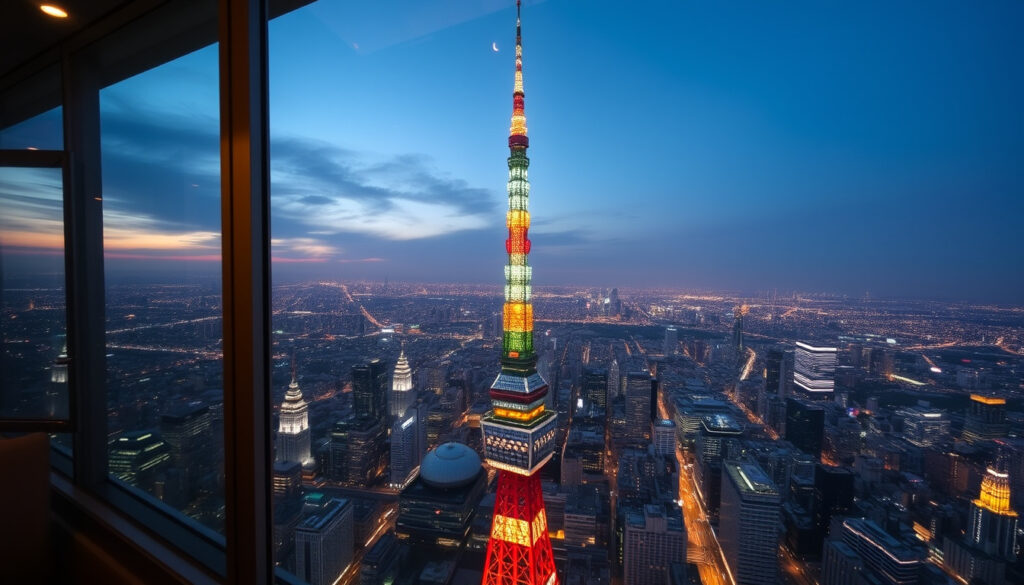
Is Tokyo Skytree Worth It? 2025 Guide to Tickets, Views & Tips
Standing 634 meters above Sumida, Tokyo Skytree is hard to miss — but the real question isn’t whether you can see it, it’s whether the trip up is worth your time and money, with adult tickets starting at ¥2,100 and Mount Fuji only visible on the clearest days. This guide weighs the costs, the views, and the alternatives so you can decide if Tokyo Skytree fits your itinerary.
Height: 634 meters (2,080 ft) ·
Completed: 2012 ·
Observation decks: Tembo Deck at 350 m, Tembo Galleria at 450 m ·
Adult ticket (Tembo Deck): ¥2,100 ·
Annual visitors (2019): Over 6 million
Quick snapshot
- Height: 634 m (Japan Guide (trusted travel resource))
- Opened May 22, 2012 (Tokyo Skytree Official Site (ticket info))
- Adult weekday Tembo Deck ticket: ¥2,100 (Live Japan (travel guide))
- Mount Fuji distance: ~100 km (Japan Guide (trusted travel resource))
- Exact queue times vary by season and time of day (Tokyo Cheapo (budget travel guide))
- Mount Fuji visibility depends on weather and air quality (Tokyo Cheapo (budget travel guide))
- Future price changes are not predictable (Tokyo Cheapo (budget travel guide))
- Average visit: 1–2 hours for observation decks
- Peak hours: 10am–2pm
- Best time for views: early morning or late afternoon
- Explore Solamachi mall and aquarium at base
- Compare with Tokyo Tower for city views
- Book tickets online to skip queues
Five key facts — one pattern: Tokyo Skytree’s specs are impressive, but the real value depends on weather and crowd conditions.
| Label | Value |
|---|---|
| Opened | May 22, 2012 |
| Architect | Nikken Sekkei |
| Height | 634 m (2,080 ft) |
| Number of steps to Tembo Deck | 2,510 |
| Daily visitor capacity | Approx. 20,000 |
| Tembo Deck height | 350 m |
| Tembo Galleria height | 450 m |
| Adult weekday ticket (Tembo Deck) | ¥2,100 |
| Adult weekday combo (both decks) | ¥3,100 |
| Adult weekend/holiday combo | ¥3,400 |
Is it worth going up the Tokyo Skytree?
Pros of visiting Tokyo Skytree
- Unobstructed 360° views of Tokyo on clear days
- Higher vantage point than Tokyo Tower — better chance of spotting Mount Fuji (JR Pass Blog (travel planning resource))
- Integrated Solamachi shopping mall and aquarium add value
Cons of visiting Tokyo Skytree
- Expensive compared to Tokyo Tower — Tembo Deck ¥2,100 vs Tokyo Tower Main Deck ¥1,200
- Long queues common during peak hours (10am–2pm)
- Cloudy days can waste the ticket — views are often obstructed
For a family of four visiting on a weekend, the combo ticket costs ¥13,600 — enough for a nice dinner. The question is whether 45 minutes of clear sky is worth that price.
Alternatives: Tokyo Tower vs Skytree
Three differences, one pattern: Skytree wins on height and view distance, but Tokyo Tower wins on cost and location.
| Feature | Tokyo Skytree | Tokyo Tower |
|---|---|---|
| Height | 634 m | 333 m |
| Main observation deck | 350 m (Tembo Deck) | 150 m (Main Deck) |
| Adult ticket (main deck) | ¥2,100 (weekday) | ¥1,200 |
| Combo ticket (both decks) | ¥3,100 (weekday) | ¥2,800 (Top Deck + Main Deck) |
| Distance from city center | Sumida (east) | Minato (central) |
| Mount Fuji visibility | Possible on clear days | Rare — lower altitude |
| On-site attractions | Solamachi mall, aquarium | FootTown (gift shops, cafe) |
The implication: If you’re after a cheap city-center view, Tokyo Tower is the smarter choice. If you want the tallest structure and don’t mind paying a premium, Skytree delivers.
What’s so special about Tokyo Skytree?
Design and architecture
Designed by Nikken Sekkei (leading Japanese architecture firm), the tower’s shape blends a traditional Japanese aesthetic with modern engineering. Its tapered silhouette and lighting design by Motoko Ishii (renowned lighting designer) make it a landmark day and night.
Four key specs define the structure:
| Specification | Details |
|---|---|
| Total height | 634 m (2,080 ft) |
| Number of floors | 29 (observation areas) + broadcasting floors |
| Construction material | Steel and reinforced concrete |
| Elevator speed | Up to 10 m/s (36 km/h) |
| Earthquake resistance | Vibration control system with tuned mass damper |
| Lighting scheme | Two patterns: “Elegant” (blue) and “Warm” (gold) |
| Broadcasting function | Digital terrestrial TV and radio |
| Observation deck capacity | ~2,000 people per day |
Broadcasting tower function
Tokyo Skytree serves as a broadcasting tower for digital terrestrial television and radio, replacing the old Tokyo Tower for many stations. Its height ensures clear signals across the Kanto region.
Cultural significance
The number 634 (mu-sa-shi in Japanese) references the old province name of Musashi, linking the tower to local heritage. It’s also a symbol of post-2011 recovery and modern Tokyo.
Attractions at the base (Solamachi mall, aquarium)
- Solamachi: 300+ shops and restaurants
- Sumida Aquarium: features penguins and jellyfish
- Planetarium and cinema complex
The base attractions turn a 1-hour observation visit into a half-day outing — but that also means more time and money spent. Budget travelers should factor in the pull of the mall.
The pattern: Tokyo Skytree functions as both a broadcast infrastructure and a tourism anchor, which explains its scale and the commercial development around it.
Can I see Mount Fuji from Tokyo Skytree?
Best conditions for Fuji visibility
Mount Fuji is about 100 km away and visible only on clear, dry days — typically in winter when humidity is low. Morning hours (before 10am) offer the best chance because afternoon haze often builds up.
Distance and location
From the Tembo Galleria at 450 m, the line of sight is unobstructed. But even at that height, visibility is “not guaranteed.” The tower’s eastward location means you’re looking toward Chiba and the Boso Peninsula; Fuji lies to the southwest.
Comparison with other viewpoints
- Tokyo City View (Roppongi Hills): closer to Fuji direction, lower altitude
- Mount Takao: 1.5 hours west, best land-based Fuji view
- Yokohama Landmark Tower: similar distance, also weather-dependent
The pattern: Skytree gives you a decent chance on a perfect day, but you’re paying for a gamble. If Fuji is your priority, a day trip to Hakone or Kawaguchiko is more reliable.
How much time do I need at Tokyo Skytree?
Minimum visit duration
Plan for 1–2 hours for the observation decks alone: 30 minutes on each deck plus elevator waits. If you add the Tembo Galleria (the 450 m skywalk), budget another 30 minutes.
Full experience including mall
Adding Solamachi mall and the aquarium extends the visit to 3–4 hours. Many visitors combine a late lunch with the afternoon view.
Tips to save time
- Buy tickets online in advance — saves 30 minutes in queue
- Visit on a weekday morning (9am–10am) to avoid crowds
- Skip the Tembo Galleria if you’re short on time — the Tembo Deck already offers 360° views
The implication: Your visit length depends entirely on whether you treat Skytree as a quick photo stop or a half-day outing with shopping and dining.
How much does it cost to go to the Tokyo Skytree?
Ticket prices for adults and children
From Live Japan (weekday pricing):
- Adult Tembo Deck: ¥2,100
- Adult combo (both decks): ¥3,100
- Teen (12–17) Tembo Deck: ¥1,550
- Teen combo: ¥2,350
- Child (6–11) Tembo Deck: ¥950
- Child combo: ¥1,450
Weekend and holiday prices are higher: Tembo Deck ¥2,300, combo ¥3,400.
Combo tickets
The combo gives access to both Tembo Deck (350 m) and Tembo Galleria (450 m). The Galleria features a glass-floor section and a spiral ramp with panoramic views. It’s worth the extra cost on clear days.
Discounts and passes
- No Japan Rail Pass discount — train pass doesn’t cover the tower
- Online booking: sometimes ¥100–200 cheaper than on-site (Japan Travel Planning (budget advice site))
- Group discounts available for 15+
The catch: Even with online discounts, Skytree remains the most expensive observation deck in Tokyo, so budget travelers should confirm their priorities before buying.
What we know and what’s unclear
Confirmed facts
- Height: 634 m
- Completion year: 2012
- Ticket prices as of 2025: ¥2,100 (Tembo Deck), ¥3,400 (combo weekend)
- Mount Fuji distance: ~100 km
- Designed by Nikken Sekkei
Rumors and uncertainties
- Exact queue times depend on season and time of day
- Fuji visibility varies with weather and air quality
- Future price changes are not predictable
- Some reports of “special access” tickets are unverified
- Online booking discount amounts vary by platform and are not standardized
“The Tembo Deck at 350 meters offers a 360-degree view of the city, and on clear days you can see Mount Fuji in the distance.”
— Japan Guide (established travel authority)
“Tokyo Skytree is the tallest tower in Japan, standing at 634 meters, and it serves as a broadcasting tower for digital terrestrial television.”
— Tokyo Skytree Official Website (ticket information)
For a traveler visiting Tokyo in winter, Skytree offers a reliable chance to see the city from above — but the price tag doesn’t guarantee a Fuji sighting. The trade-off is clear: if Mount Fuji is your main goal, skip the tower and take a day trip to the Fuji Five Lakes region.
Frequently asked questions
What is the best time of day to visit Tokyo Skytree?
Early morning (9am–10am) on weekdays for shortest queues and best visibility. Late afternoon also offers sunset views, but crowds are heavier.
Can I bring a tripod to the observation deck?
Tripods are allowed but may be restricted during peak times. Monopods and selfie sticks are generally prohibited for safety.
Is there a dress code for Tokyo Skytree?
No formal dress code, but comfortable shoes are recommended — you’ll be standing and walking for up to 2 hours.
How do I get to Tokyo Skytree from Shinjuku?
Take the JR Sobu Line to Oshiage Station (directly connected to the tower). About 30 minutes via train.
Are there lockers available at Tokyo Skytree?
Yes, lockers are available at the base. Sizes range from small to large, and they cost ¥300–¥700.
Is Tokyo Skytree open during public holidays?
Yes, the tower is open every day of the year, including public holidays. Hours may vary slightly.
Do I need to book tickets in advance?
Not required, but recommended for weekends and holidays to avoid long queues. Online booking is available.
More related posts
 Top 10 Richest People in the World: Forbes vs Bloomberg
 Year of the Snake 2025: Wood Snake Predictions & Guide
 Toronto Pearson International Airport: YYZ Code & Terminals Guide
 Can Dogs Eat Asparagus – Safety, Benefits and Feeding Guide
 Saskatoon Condos for Sale: 240+ Listings & Prices
 Who Is the Local Candidate for the Liberal Party? 2024
 Avi Lewis: Age, Biography, and Political Platform as NDP Leader
 23 cm to Inches – Exact Conversion and Guide
