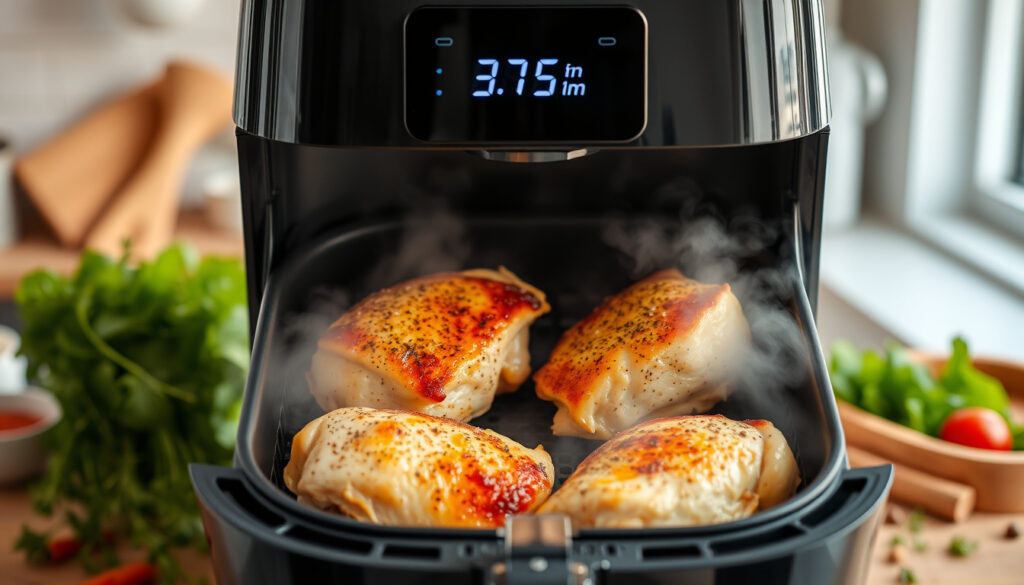
How Long to Cook Chicken Breast in Air Fryer – Times, Temps & Tips
Cooking chicken breast in an air fryer consistently delivers juicy, well-seasoned results with less effort than traditional methods. Understanding the correct balance of temperature and time ensures food reaches a safe internal temperature while maintaining moisture and texture.
Air fryers work by circulating hot air around food, creating a crispy exterior without submerging ingredients in oil. This makes them particularly effective for lean proteins like chicken breast, which can easily dry out in conventional ovens. Whether starting with fresh or frozen chicken, the appliance offers flexibility and speed.
This guide covers cooking times, temperature settings, step-by-step instructions, and safety considerations based on established food safety guidelines. A comprehensive reference table provides specific parameters for different chicken types and thicknesses.
How Long to Cook Chicken Breast in an Air Fryer
8–18 minutes at 375°F
25–35 minutes at 360–400°F
18–26 minutes at 375°F
165°F minimum
Key Insights for Best Results
- Pat chicken dry before seasoning for improved browning and crispness
- Arrange pieces in a single layer without overlapping to allow proper air circulation
- Flip chicken halfway through cooking for even heat distribution
- Allow cooked chicken to rest for five minutes before slicing
- Thinner cuts cook faster and may finish before thicker portions
- Air fryer models vary; initial batches may require time adjustments
Cooking Time and Temperature Reference
| Type | Thickness | Temperature | Total Time | Notes |
|---|---|---|---|---|
| Fresh Boneless | Thin (under 1 inch) | 375°F | 8–12 min | Flip halfway through |
| Fresh Boneless | Medium (1 inch) | 375°F | 12–15 min | — |
| Fresh Boneless | Thick (over 1.5 inches) | 375°F | 15–18 min | — |
| Fresh Bone-In | Any | 375°F | 18–26 min | Bone adds cooking time |
| Frozen Boneless | Half inch (thin) | 400°F | 10–12 min | Season after flipping |
| Frozen Boneless | 1 inch (medium) | 400°F | 15–18 min | Preheat 5 minutes recommended |
| Frozen Boneless | 1.5 inches (thick) | 400°F | 25–30 min | — |
| Frozen Boneless | 2 inches | 400°F | 30–35 min | — |
Cooking times depend on thickness, initial temperature, and specific air fryer performance. Always verify doneness with a meat thermometer rather than relying solely on timing. For more protein cooking techniques, see the guide on How to Cook Quinoa – Fluffy Results Every Time.
What Temperature to Use for Air Fryer Chicken Breast
Temperature selection significantly impacts both safety and texture when cooking chicken breast in an air fryer. The optimal setting varies based on whether the chicken is fresh or frozen and the desired outcome.
Fresh Chicken Breast Settings
For fresh boneless chicken breast, 375°F provides the best combination of even cooking and moisture retention according to cooking tests. This moderate temperature allows the interior to reach safe levels without overcooking the surface.
Bone-in fresh chicken breast can be cooked at 375°F, though some prefer increasing to 390–400°F for crispier skin. The bone slows heat penetration, requiring additional time compared to boneless cuts.
Higher temperatures above 400°F can work for frozen chicken in thicker cuts, but monitoring becomes essential to prevent the exterior from toughening before the center reaches safe temperatures.
Frozen Chicken Breast Settings
Frozen boneless chicken breast accepts a range of 350–400°F. Lower temperatures between 350–360°F reduce moisture loss and help prevent the chicken from becoming tough. Higher temperatures at 400°F speed cooking but demand closer attention.
Many recipes begin with a preheat period of 3–5 minutes at the target temperature before adding frozen chicken. This initial burst of heat helps jumpstart the cooking process and achieves more consistent results throughout the piece.
Step-by-Step: How to Cook Chicken Breast in an Air Fryer
Preparing Fresh Chicken
Proper preparation forms the foundation of a successful air fryer chicken breast. Remove the chicken from refrigeration 10–15 minutes before cooking to allow more even heat penetration. Pat each piece thoroughly dry with paper towels, removing excess moisture that could prevent browning.
Season generously with oil, salt, and preferred spices. Light coatings of oil help conduct heat and create the crispy exterior that air fryers produce. Arrange the chicken in a single layer within the basket, ensuring pieces do not touch or overlap.
The Cooking Process
- Preheat the air fryer for 3–5 minutes at 375°F
- Place prepared chicken in a single layer inside the basket
- Spray the basket lightly with cooking oil if desired
- Cook for approximately half the total time, then flip each piece
- Continue cooking until the internal temperature reaches 165°F
- Transfer to a cutting board and rest for 5 minutes before slicing
Cooking from Frozen
Cooking frozen chicken breast requires adjusting expectations and technique. Place frozen pieces directly into the preheated air fryer basket without seasoning initially. Cook for 10–15 minutes to allow partial thawing, then flip each piece.
Apply oil and seasoning after this initial thaw period. Continue cooking for an additional 10–20 minutes, checking periodically, until the internal temperature reaches 165°F. Wrapping in foil during the resting period helps retain warmth and moisture.
For additional meal planning ideas, explore the article on Can Dogs Eat Asparagus – Safety, Benefits and Feeding Guide for pairing suggestions with your protein.
How to Know When Chicken Breast is Done in the Air Fryer
Visual and tactile cues alone cannot reliably determine whether chicken breast has reached a safe internal temperature. The only dependable method involves using a meat thermometer inserted into the thickest part of the meat, avoiding bone if present.
Using a Meat Thermometer
Insert the thermometer probe horizontally into the center of the thickest chicken breast piece. The reading must reach exactly 165°F throughout the meat to ensure food safety. At this temperature, harmful bacteria are eliminated according to food safety standards.
Consuming undercooked chicken poses health risks including bacterial contamination. When in doubt, continue cooking and recheck the temperature. Thin pieces cook faster and may finish well before thicker portions in the same batch.
Recognizing Doneness Without Thermometer
While not recommended as the primary method, experienced cooks note that properly cooked chicken breast feels firm when pressed gently and the juices run clear rather than pink. These indicators supplement but do not replace thermometer verification.
The resting period after cooking serves an important function. During these five minutes, carryover heat continues raising the internal temperature by several degrees while juices redistribute throughout the meat, resulting in a moister final product.
Air Fryer Chicken Breast Variations (Frozen, Bone-In)
Different chicken cuts and starting conditions require modified approaches to achieve optimal results. Understanding these variations helps adapt techniques for any situation.
Frozen Chicken Breast
Frozen chicken breast presents unique challenges because ice crystals and uneven surfaces affect heat transfer. Beginning with a lower initial temperature helps thaw the interior gradually without burning the exterior.
Seasoning frozen chicken requires patience. Resist adding dry rubs or heavy marinades before cooking, as these burn easily on partially frozen surfaces. Oil-based seasonings applied midway through cooking adhere better and distribute more evenly.
Bone-In Chicken Breast
The bone acts as a heat sink, slowing cooking near the center while the surface may cook faster. Positioning bone-in pieces with the bone side facing down initially helps protect the meat directly above the bone from overcooking.
Variations in chicken breast thickness significantly affect cooking times. Pieces between 1–1.5 inches thick represent the standard range, but butterfly-cut or pounded thin pieces reduce time substantially while thick-cut portions require considerably more.
Preventing Dry Results
Chicken breast’s low fat content makes it prone to drying when overcooked. Brining or marinating in oil and acid (such as lemon juice or vinegar) for at least five minutes before cooking helps maintain moisture throughout the cooking process.
Avoiding overcrowding ensures hot air contacts all surfaces equally. When pieces overlap, steam builds between them, creating uneven cooking and potentially soggy surfaces instead of the desired crispy exterior.
Typical Cooking Timeline
Understanding the sequence of events during air fryer cooking helps manage expectations and plan meal timing effectively.
- Preparation phase (5 minutes): Remove chicken from packaging, pat dry, and apply oil and seasonings
- Preheating (3–5 minutes): Allow the air fryer to reach the target temperature
- Initial cooking (8–15 minutes): First half of cooking cycle, typically without flipping
- Flip and continue (8–15 minutes): Second half of cooking, monitoring for doneness
- Resting (5 minutes): Allow juices to redistribute before slicing
The complete process for fresh boneless chicken breast typically spans 25–35 minutes from start to serving, including prep and rest periods. Frozen chicken requires an additional 10–20 minutes of cooking time.
What We Know for Certain and What Remains Unclear
Several aspects of air fryer chicken cooking rest on solid evidence, while others involve some degree of variation.
Established Information
- The safe internal temperature for chicken breast is 165°F
- 375°F works well for fresh boneless chicken breast
- Air fryers use hot air circulation for cooking
- Flipping halfway improves even cooking
- Resting after cooking redistributes juices
- Thickness significantly affects required cooking time
Information That Varies
- Exact timing differs between air fryer brands and models
- Individual ovens may cook faster or slower than averages suggest
- Starting temperature of refrigerated chicken affects results
- Specific seasoning preferences fall entirely within personal choice
- The ideal crispness level varies by individual preference
Why Air Fryers Work Well for Chicken Breast
Air fryers have gained substantial popularity since the early 2020s, becoming standard kitchen appliances in many households. Their effectiveness with chicken breast stems from how they manage heat and moisture simultaneously.
Unlike deep frying, which submerges food in hot oil, air fryers use rapid air circulation to create a crispy layer similar to fried food while using minimal added fat. This makes chicken breast cooked in an air fryer comparatively healthier than traditional frying methods.
The enclosed cooking chamber retains moisture that would otherwise escape in open-air cooking methods. Combined with the ability to achieve browning and crisping, this makes air fryers particularly suited for lean proteins that benefit from controlled moisture retention.
Expert Guidance on Safe Cooking Temperatures
Food safety guidelines consistently recommend cooking poultry products to an internal temperature of 165°F to eliminate harmful bacteria. Using a reliable meat thermometer remains the most accurate method for verifying safe doneness.
— Food Safety Standards
Multiple recipe developers and food safety organizations align on this temperature recommendation. The standard applies regardless of cooking method, whether using an air fryer, conventional oven, stovetop, or outdoor grill.
Testing across various air fryer models confirms that 375°F provides sufficient heat for safe and efficient cooking when paired with proper timing and thermometer verification. Variations in individual appliances make the thermometer essential rather than optional.
Summary: Cooking Chicken Breast in Your Air Fryer
Air fryer chicken breast delivers reliable results when following established guidelines. Fresh boneless chicken typically requires 8–18 minutes at 375°F, while frozen pieces need 25–35 minutes at 360–400°F. Bone-in cuts add 5–10 minutes to fresh cooking times. Always verify safety by checking that the thickest part reaches 165°F with a meat thermometer, then allow a five-minute rest before slicing. With these parameters, achieving perfectly cooked chicken breast becomes a repeatable process regardless of experience level.
Frequently Asked Questions
Can I stack chicken breasts in the air fryer?
Stacking prevents proper air circulation and leads to uneven cooking. Cook in a single layer for best results, working in batches if necessary.
What type of oil works best for air fryer chicken?
Oils with high smoke points such as avocado, canola, or vegetable oil work well. Light coatings of approximately one tablespoon per pound provide adequate coverage.
How should I reheat chicken breast from the air fryer?
Reheat at 350°F for 3–5 minutes until reaching an internal temperature of 165°F. Sprinkling a few drops of water over the chicken helps retain moisture during reheating.
Should I preheat the air fryer for chicken breast?
Preheating for 3–5 minutes improves cooking consistency and browning. Most recipes recommend preheating before adding any food.
Can I use frozen chicken breast without thawing?
Yes, frozen chicken breast cooks directly in the air fryer. Plan for 25–35 minutes of cooking time and season midway through the process rather than initially.
Why does my air fryer chicken breast turn out dry?
Overcooking causes dryness. Use a thermometer to check temperature, remove chicken at 160°F knowing carryover heat will reach 165°F, and avoid skipping the resting period.
What seasonings complement air fryer chicken breast?
Simple salt and pepper work well. Garlic powder, paprika, Italian herbs, or Cajun seasoning add variety. Apply oil first to help seasonings adhere.
More related posts
 Ruby Liu: B.C. Billionaire’s Hudson’s Bay Legal Battle
 Darryl Sittler: Wife, Net Worth, Health, and Where Is He Now
 Marie Antoinette: Execution, Last Words, and Children
 Chris Tanev: Injury, Teeth Lost, Salary & Brother Facts
 Leafs Game Last Night: Stars 6-5, Matthews Injured
 Brooks Koepka: Bio, LIV Contract, Wife & Majors
 Shoppers Drug Mart Surrey: Locations, Hours & Services
 Canada Pension Plan Payment April 2025 – Date, Schedule and Details
